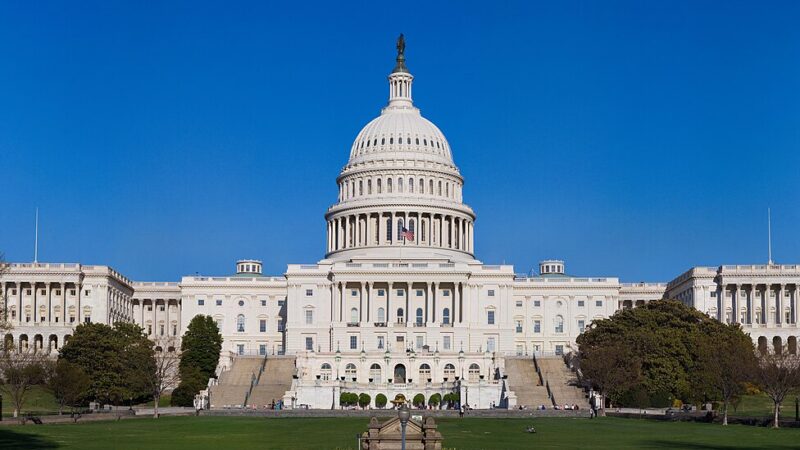
Congress left Washington for the midterm recess after a burst of targeted lawmaking that advanced measures on college sports, health-care cybersecurity, taxpayer services, Social Security administration and spending transparency, according to a legislative roundup by Newspot NG drawing on counts by The Lobby. Both chambers are scheduled to return on November 9, after the November 3 elections, with agencies funded under temporary law through December 11.
The roundup counted 220 bills introduced between September 28 and October 5, 98 advancing and 58 passing at least one chamber, with only one recorded as becoming law in that window. The gap between activity and enactment is the point: unanimous-consent and voice-vote measures can clear genuine but narrow improvements while the largest fiscal argument waits for the election to settle leverage.
The most consequential item described was the Protect College Sports Act of 2026, sponsored by Republican Senator Ted Cruz and approved by the Senate 77 to 22 on September 28 — an unusually broad bipartisan margin for legislation touching a multibillion-dollar industry. House action and final enactment remain separate questions that post-recess reporting must confirm rather than assume.
Campaign coverage understandably eclipses such work, yet the recess record matters for implementation. Agencies, universities and service providers plan against passed text, not press releases, making the distinction between introduced, advanced, passed and enacted essential reading discipline.
Media Remarks will follow the returning Congress on confirmed enactments and funding action. This weeks lesson is procedural but real: even in a campaign recess, Congress moves most where majorities are widest and stakes are narrowest.
Returning lawmakers inherit the unfinished half of this record on November 9, with temporary funding expiring December 11 and every postponed fiscal argument sharpened by the election result. Bills that passed one chamber in the recess burst will compete for floor time against that deadline, and most will lose — the normal fate of narrow measures in a crowded post-election session. The college-sports measure, with its broad Senate margin, stands the best chance of outliving the recess that produced it, provided House counterparts accept its text substantially intact.