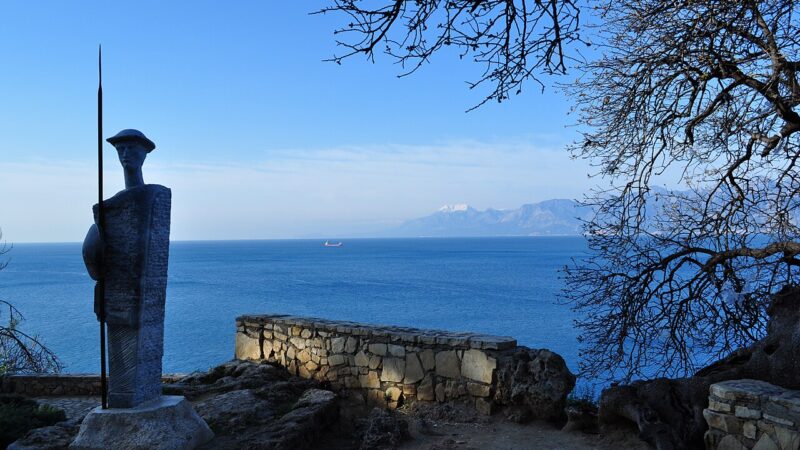
Pacific ministers preparing for COP31 reaffirmed this week that climate-driven sea-level rise should not erase state sovereignty or maritime zones established under international law. Reuters reporting from the Fiji and Tuvalu pre-conference and UN News coverage of the same gathering both identified the position as a settled Pacific priority heading into Antalya.
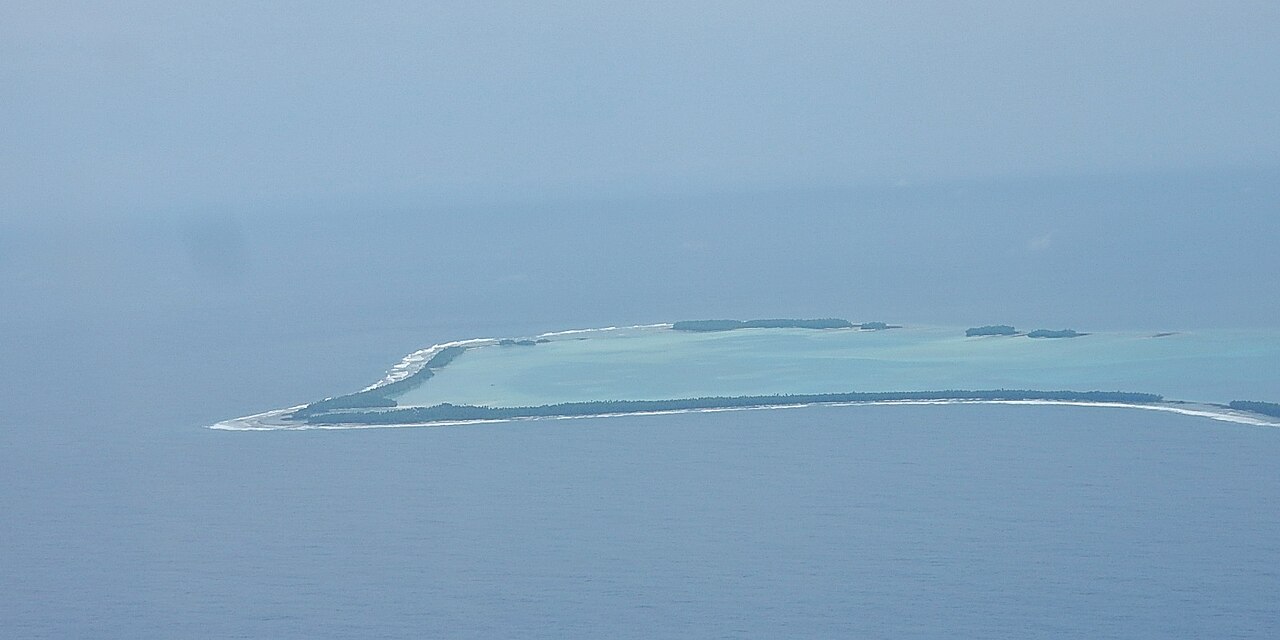
The legal concern is concrete. As coastlines retreat and some features become intermittently submerged, questions arise about baselines from which territorial seas and exclusive economic zones are measured — and therefore about fishing rights, seabed resources and state continuity for the most exposed island nations. Pacific leaders argue zones once properly established should remain, a position they have advanced through regional declarations and now carry into global climate talks.
Ministers linked the legal claim to lived measurements. Reporting cited NASA-derived figures discussed at the meeting putting Tuvalu rise at roughly double the global average over three decades, intensifying floods and saltwater intrusion. In that context, preserving maritime entitlements is presented not as abstraction but as economic survival: ocean zones vastly exceed land area for many island states.
The pre-COP statement paired the sovereignty point with mitigation language on keeping overshoot of 1.5 degrees as brief as possible. Diplomats thus connect cause and consequence in one package: cut emissions faster, fund adaptation honestly, and do not penalise states legally for a crisis they did least to create.
Whether Antalya adopts Pacific language verbatim remains to be negotiated. What is verified this week is the consistency of the ask across both wire and United Nations accounts — and that Pacific governments intend to negotiate it as a bloc through the COP31 Pacific Partnership rather than island by island.
The maritime claim also carries negotiating weight beyond law. By tying zone preservation to adaptation finance in a single Pacific package, island states raise the cost of trading one priority against the other in late-night Antalya drafting. Legal advisers will watch whether any COP31 text acknowledges continuing zones even in general language, since summit wording, while not itself maritime law, shapes the diplomatic weather in which specialised bodies decide. For fishing-dependent economies, that weather is revenue, protein and statehood at once.