Pacific ministers meeting in Fiji and Tuvalu this week placed the 1.5-degree warming limit at the centre of preparations for the COP31 summit in Antalya, Türkiye, from 9 to 20 November 2026. Reporting by Reuters from Nadi and Sydney and coverage by UN News described the same ministerial message: emissions cuts must be deep, rapid and sustained if the overshoot of the Paris target is to be kept short and small.
The statement, issued after the pre-conference gathering, warned that every fraction of a degree increases loss and damage for climate-vulnerable communities, particularly low-lying island states facing sea-level rise and intensifying floods. UN News reported that Deputy Secretary-General Amina Mohammed joined senior officials in Tuvalu and Fiji to set out United Nations priorities ahead of Antalya, including delivery on earlier pledges to shift away from fossil fuels, expand renewable capacity and improve energy efficiency by 2030.
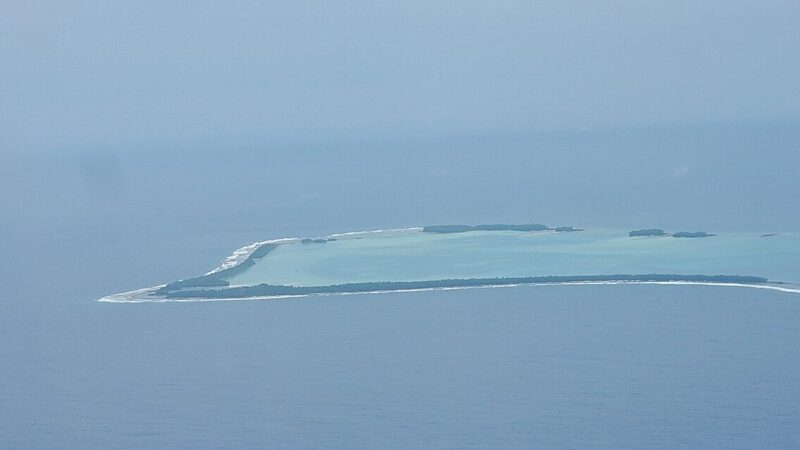
For Pacific governments, the talks are not abstract. Reuters noted research cited at the meeting putting Tuvalu sea-level rise at roughly twice the global average pace over recent decades, a figure ministers linked directly to questions of territory, livelihoods and maritime rights. The meeting reaffirmed that states intend to preserve sovereignty and maritime zones under international law even as coastlines change, a legal position Pacific leaders have advanced consistently in recent climate diplomacy.
The pre-COP gathering also connected climate action to energy security. UN reporting summarised the argument that clean power reduces exposure to fossil-fuel price swings while extending electricity access to communities still without it. That framing is expected to recur in Antalya, where finance, adaptation and loss-and-damage arrangements remain difficult negotiating items alongside mitigation targets.
No new binding commitments were announced in Fiji. The value of the meeting, on the accounts of both Reuters and the United Nations, was agenda-setting: Pacific voices positioned at the centre of the COP31 Pacific Partnership, and a clear signal that island states will judge Antalya on whether temperature pathways, adaptation funding and maritime protections move together rather than separately.
For readers outside the Pacific, the practical test arrives in Antalya in November, when draft texts must convert ministerial language into finance figures, adaptation plans and review timetables. Delegates will negotiate under a stronger El Nino pattern that the Fiji statement explicitly invoked, meaning weather during the talks themselves may underline the urgency ministers described. Media Remarks will compare the final COP31 text against this weeks Pacific benchmarks — overshoot duration, loss-and-damage delivery and maritime protection — and will report where each benchmark advanced, stalled or disappeared in compromise.