Why a Federal Judge Tossed the Trump Administration’s NYC Sanctuary Lawsuit: Standing, Federalism and the Limits of Federal Power
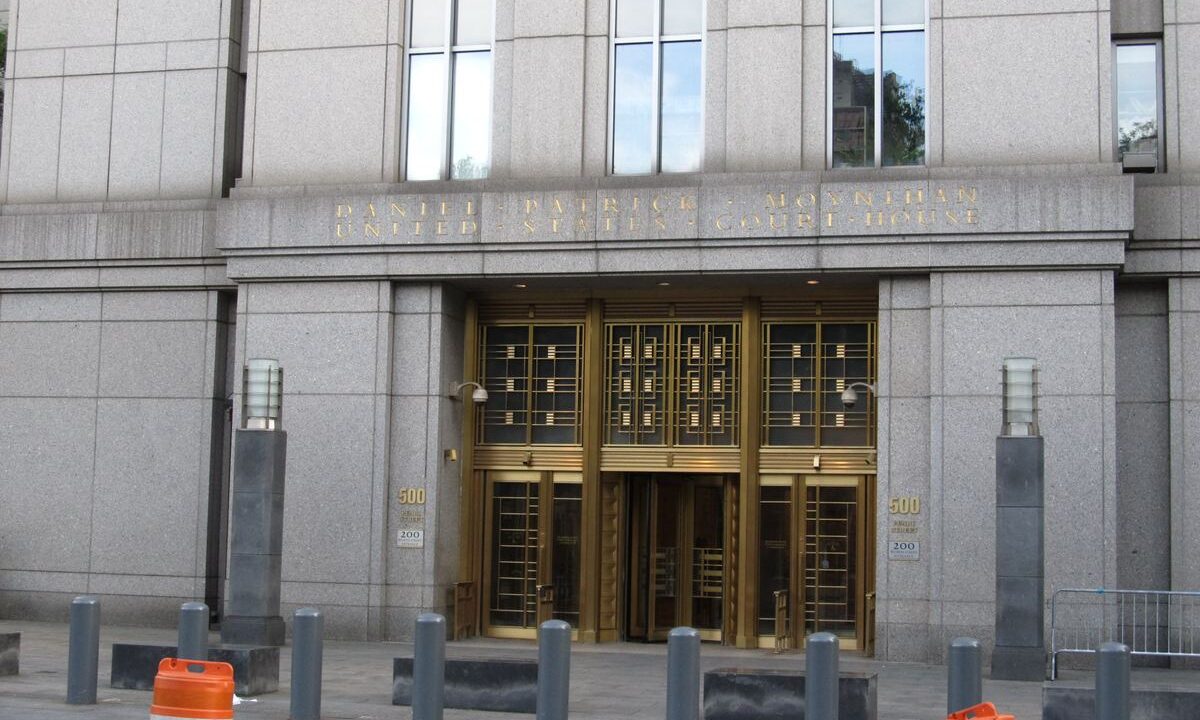
When US District Judge Ramon Reyes threw out the Trump administration’s lawsuit against New York City’s sanctuary laws on Oct 15, the ruling did not rest on sympathy for the city’s immigration politics. According to reporting on the decision, the judge dismantled the case on two of the oldest doctrines in American constitutional law: standing and federalism. Together, they explain why even a president cannot simply sue a city into helping with deportations.
Standing was the first barrier. To bring a case, the government must show a concrete legal injury, and Reyes concluded it had none. The administration could not challenge a city rule barring police from detaining immigrants at the request of federal authorities, because New York State law already forbids that practice.
Federalism stops the feds from conscripting local cops
The second barrier was deeper. The administration argued that federal law superseded the city’s sanctuary rules under the Supremacy Clause. Reyes rejected that claim, holding that the federal government cannot force local governments to assist with immigration enforcement. That principle, known as anti-commandeering, runs through decades of Supreme Court precedent: Washington may regulate immigration, but it may not conscript city police or jails into doing the work.
The ruling also dealt with the day-to-day mechanics of enforcement. The judge found that federal law does not require state and local governments to share release dates, whereabouts or custody information about immigrants. The city’s rules on honoring ICE detainers, sharing custody data and dedicating public resources to deportation operations were left standing.
What this means for the sanctuary city campaign
The lawsuit, filed in July 2025, was part of the administration’s broader campaign against sanctuary city policies, which aim to shield immigrants from its mass deportation push. The Justice Department did not immediately respond to a request for comment on the ruling. For readers tracking how that campaign is faring in court, the decision is a reminder that presidential power over immigration, though broad, runs into hard constitutional walls at the city limits.
That tension is part of a larger pattern this year. Federal enforcement policy has already collided with local rules in family separation practices at the border, where the definition of an unaccompanied child has shifted under new DHS guidance. And with the midterms approaching, immigration enforcement remains one of the most closely watched fronts in American politics.