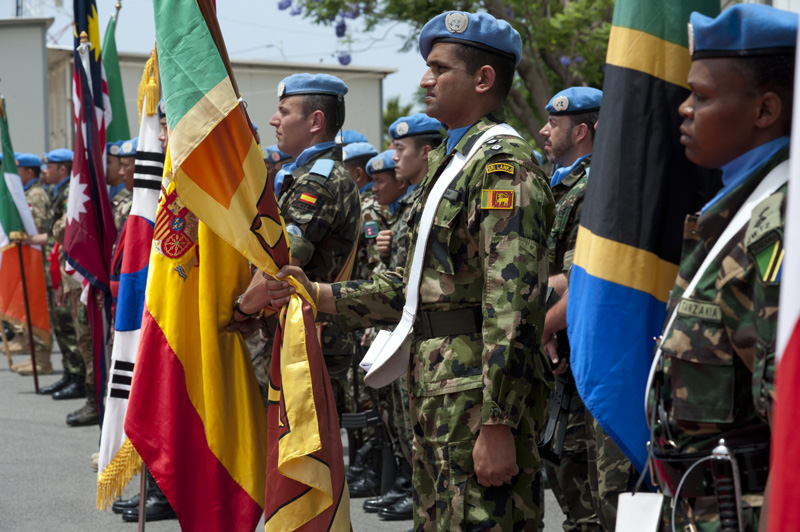
Lebanon is racing to buy extra time for the United Nations peacekeepers in its south, as the nearly 50 year UNIFIL mandate approaches its end on December 31. Prime Minister Nawaf Salam said on Friday that France is preparing a proposal for the UN Security Council that would let the peacekeepers keep working on some tasks after the mandate expires. The force would continue clearing mines, escorting humanitarian convoys and monitoring violations during a drawdown period.
The proposal matters because no plan is in place for what comes next. The Security Council voted last year to end the mandate, bowing to demands from the United States and Israel, which argued that the force had failed to stop Hezbollah’s buildup in southern Lebanon. Haaretz reported that United States officials have indicated Washington could be open to considering the French plan.
A Vacuum on the Border
Lebanese officials warn that the departure of 7,500 peacekeepers from 45 countries could leave a vacuum in the south, where Israel maintains a self declared security zone running about 10 kilometres inside Lebanon along the border. The UN peacekeeping chief, Jean-Pierre Lacroix, has warned of a security vacuum, asking what happens when no third party stands between the Lebanese army and the Israel Defense Forces. UNIFIL says its peacekeepers will keep working as usual until the mandate ends.
The force was created in 1978 to oversee the withdrawal of Israeli troops after the invasion that year, and it has patrolled the border ever since. UNIFIL officials say they were never charged with disarming Hezbollah, and that the force helped preserve calm in the border region for 17 years before the 2023 attack on southern Israel ignited a regional war. A June agreement calls for Israeli forces to withdraw gradually and hand control to the Lebanese army, while Hezbollah is to be disarmed, but work has stalled.
What Replaces the Blue Helmets
France has been pushing for an international force to support the Lebanese army after UNIFIL leaves, alongside a European Union mission to train and equip the army. Israel opposes deploying an international force to replace the peacekeepers, although a Western diplomat said Israel had become more willing to consider the French proposal. Salam stressed that any force deployed in the south will have to be endorsed by the Security Council.
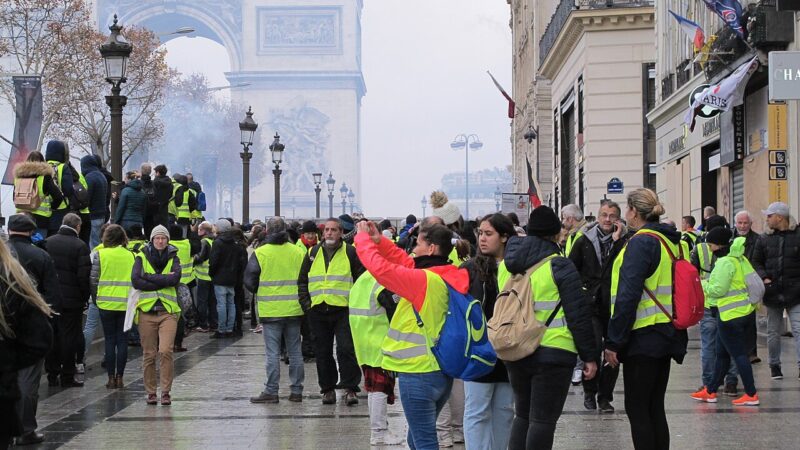
The stakes reach beyond Lebanon. France has been central to the diplomacy, a country still counting a billion euros in damage, the cost behind the rioters pay bill in France, and the outcome will shape security across the region. Elsewhere, politics keeps shifting too, as a statehouse wave saw supermajorities toppled in Indiana and Missouri. For southern Lebanon, the next few weeks will decide whether the border keeps its witnesses or loses them.