Goldman Sachs now estimates October core PCE at 0.35 percent on the month and keeps the December hike while adding a third 25bp hike in March 2027. The call, carried in Wednesday morning briefings, follows the hot October CPI print, and it makes Goldman the most hawkish of the big banks on a rate path that the market had thought was finished.
Why it matters
The CPI print forced the rethink. Headline inflation rose 0.4 percent in October against a 0.3 percent forecast, core rose 0.3 percent against 0.2 percent, and only one of 70 Wall Street forecasts was higher. The 10 year yield climbed back above 5.00 percent, the 2 year rose 20 basis points to 4.77 percent, and the December hike is now treated as certain. Only one of 70 Wall Street forecasts was higher than the CPI print, and the Cleveland Fed estimated annual inflation at 3.8 percent, well above the 2 percent target.
The logic is about the Fed own target. The Cleveland Fed estimated annual inflation at 3.8 percent, well above the 2 percent target, and shelter is picking up again, with rent up 3.02 percent on the year. Goldman view is that one hike will not be enough to bring inflation back, and that the Fed will have to keep going into 2027.
What happens next
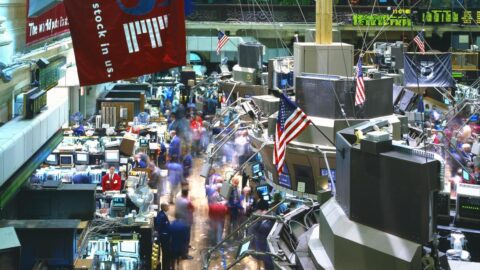
The market reaction shows the stakes. Wall Street fell on Tuesday, the dollar posted its biggest one day gain since September, and gold fell about 100 dollars. The only relief came after hours, when CoreWeave beat estimates and Asian markets rallied, but the rate path is the story that will shape the next year.
What happens next will be decided at the Fed meeting on December 8 and 9. A 25 basis point hike is fully priced, with a small chance of 50, and Goldman third hike in March is now the question for 2027. For borrowers, the message is plain: the hikes are not over, and the cheapest money of the cycle is already behind us. The 10 year yield climbed back above 5.00 percent, the 2 year rose 20 basis points to 4.77 percent, and the dollar posted its biggest one day gain since September. Wall Street fell on Tuesday, with the Dow down 0.30 percent and the Nasdaq down 0.74 percent, as the market priced in the higher rate path.