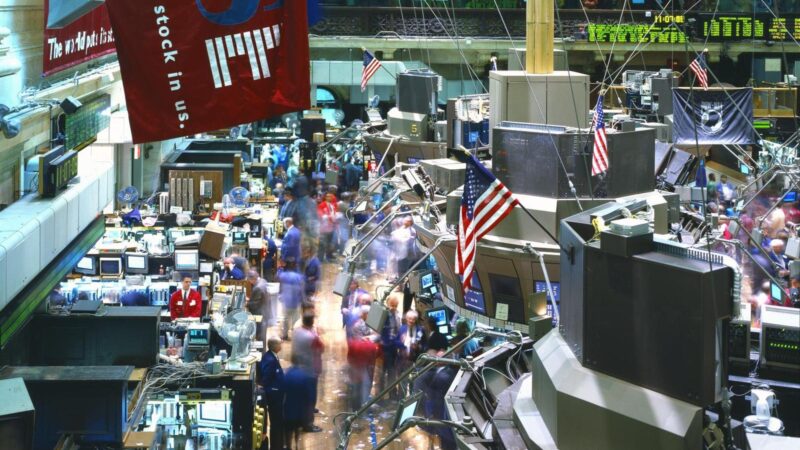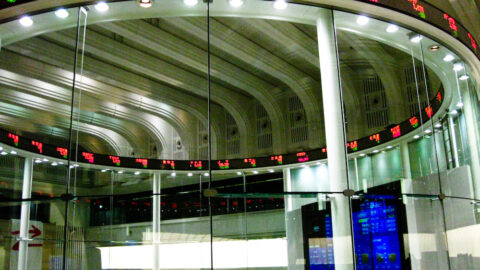

Interest rate traders pushed back the expected timing of the Federal Reserve’s next rate hike to March after Thursday stock selloff reshaped market pricing, in the clearest sign yet that the market believes the economy has changed. The shift came as United States stocks plunged, led by a ferocious selloff in tech and AI related stocks, and as investors reassessed the implications of the Democratic sweep in the midterm elections for the AI data centre buildout. A rate hike that was priced for December is now priced for March, and the delay says as much about the market mood as any single price move.
Why it matters
The Federal Reserve context is a central bank that has been leaning toward tighter policy, not looser. At its October 28 meeting the Fed held its benchmark rate at 3.75 to 4.00 percent on a 10 to 2 vote, with two dissents actually wanting to hike further, and inflation ran at 3.7 percent over the year to September, well above the target. The case for a December hike rested on that inflation, and on a labour market that, while cooling, was not breaking. Thursday selloff did not change the inflation data, but it changed the market judgement about whether the Fed will act on it.
The reason is the connection between markets and the economy. A stock market fall of this scale, with the Nasdaq down 5.52 percent and the Philadelphia Semiconductor Index down 12 percent, tightens financial conditions on its own: it reduces wealth, raises the cost of capital, and makes firms more cautious about hiring and investment. A central bank that was weighing a hike must now weigh whether a hike would deepen a downturn that the market has already begun to price. The shift to March is the market saying that the Fed will wait, and that the wait is now the base case.
What happens next
Friday jobs report will test that judgement. Economists expect about 65,000 new jobs in October, with unemployment holding at 4.2 percent, and a payroll figure close to the consensus could steady nerves and keep the March pricing intact. A much stronger number, with firm wage growth, could revive December hike bets, while a much weaker one could push expectations out further still, and raise questions about growth that a rate debate cannot answer. The report is the next piece of evidence, and the market will read it as a verdict on the Fed path.
What happens next will be decided by data, not by speeches. The October consumer price index report is due next Tuesday, and it will show whether the inflation that motivated the hike case is still running hot. If prices cool, the March pricing will look prescient. If they stay hot, the market will have to reckon with a central bank that may hike into a falling market, which is a combination that investors have not faced in this cycle. For now, the message from the bond market is patience: the hike is still coming, but not as soon as traders thought a week ago.