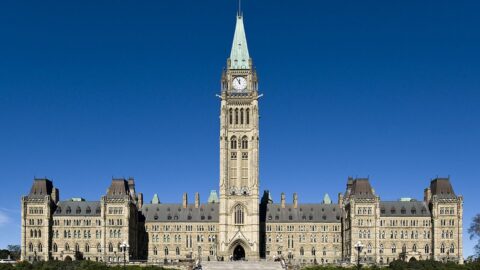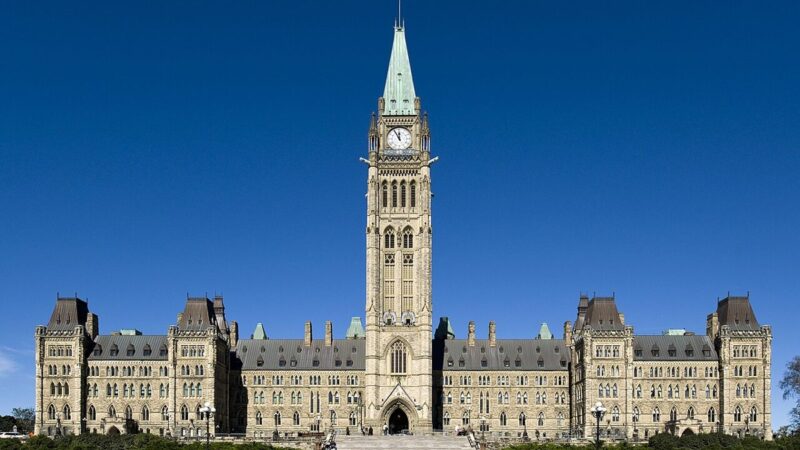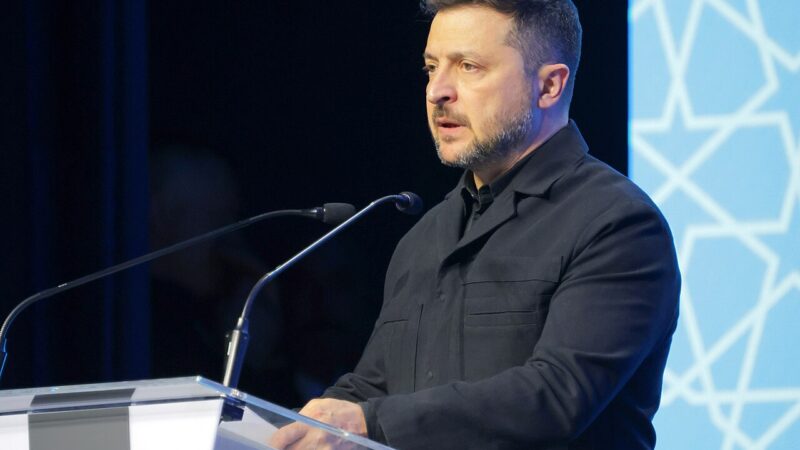
Canada’s defence door, opened earlier this month, swings wider this week in Montreal, and the summit on October 29 and 30 will show whether that opening leads to real work or remains a diplomatic gesture. Canada’s participation in the EU’s SAFE defence initiative was the milestone that Media Remarks highlighted ahead of the summit, and the Montreal meeting, which brings Prime Minister Mark Carney together with European Council President Antonio Costa and European Commission President Ursula von der Leyen, is expected to deepen defence and secure communications cooperation as part of a broader Alliance for the Future.
The context for that deepening is a year of formal negotiations that Carney said on October 27 will begin at the summit. The Alliance for the Future is described as a foreign and security policy partnership, built on a trade relationship worth 178 billion dollars, with 219 billion dollars in EU foreign direct investment stock in Canada and 315 billion dollars in Canadian investment in the EU. The existing Comprehensive Economic and Trade Agreement has led to an increase of more than 80 percent in trade in goods and services over 10 years, according to the draft joint declaration. Defence cooperation sits on top of that foundation, not apart from it, because defence work is also industrial work: machining, electronics, materials and software, produced by firms that need orders, financing and eligible markets.
What SAFE means in practice
SAFE is designed to let European countries buy and build defence equipment together, and Canada’s participation gives Canadian firms a route into that work. The practical questions, however, are not answered by a summit declaration. Which firms are eligible, which projects are funded, what timelines apply, and how Canadian suppliers qualify for European procurement are matters for the year of talks that follows Montreal. A defence firm that cannot answer those questions cannot hire, invest or bid, which is why the summit should be judged by the framework it launches, not by the warmth of its language.
There are also complications that Montreal cannot wish away. The associate member label proposed by von der Leyen does not exist in the EU treaties, and several member states, including Germany, are objecting to the phrase. Quebec’s new Parti Quebecois government is pressing for a formal role when agreements touch provincial powers such as resources and education, and nine EU members still have not ratified CETA. None of those facts blocks defence cooperation, but each shapes how quickly it can move from declaration to contract.
From door to orders
Reports of the summit plans confirm that Montreal launches negotiations rather than concluding them, and the parallel lesson is simple: an opening is only valuable if it is followed through. Canada’s defence door is open. The Montreal summit must now show the path from that door to the factory floor, where the jobs, the orders and the strategic value of the partnership will actually be decided.