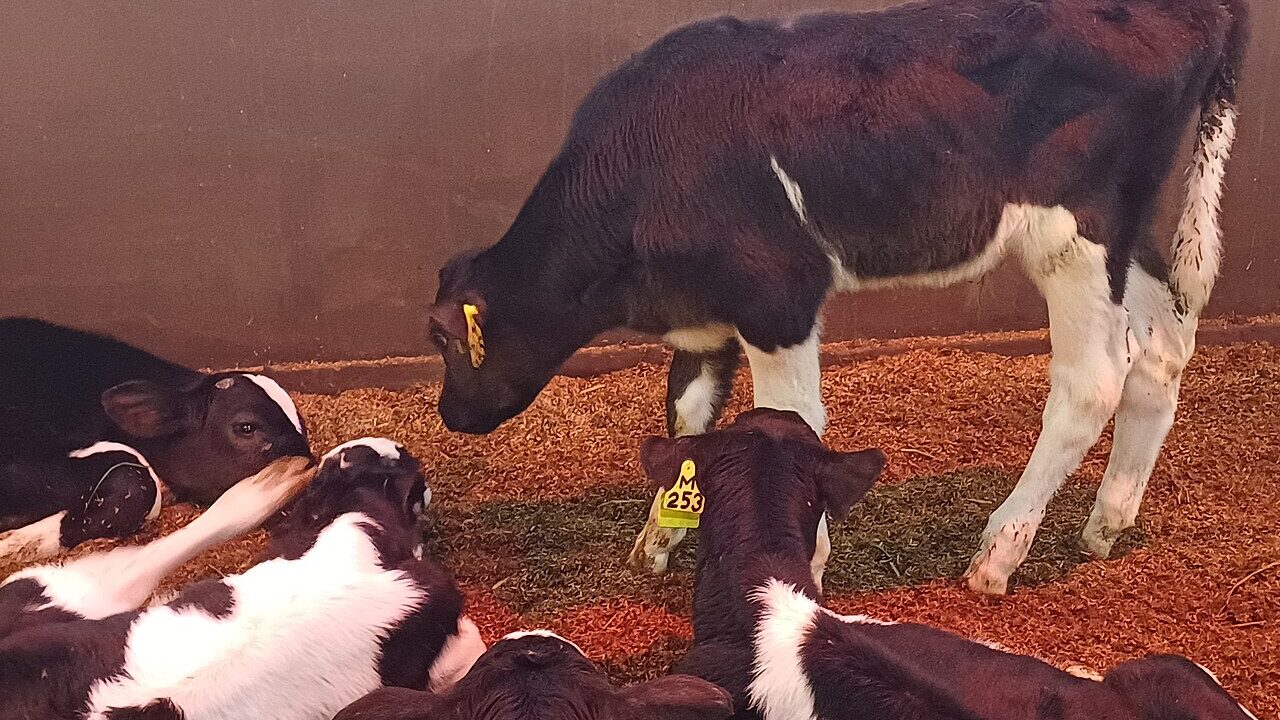
Bird flu has been detected in two dairy cow herds in Washington, according to Capital Press reporting summarised in the states October 9 news roundup. The brief item, carried alongside water-year and irrigation reporting, places Washingtons dairy sector inside the continuing national story of avian influenza moving through cattle and the surveillance systems built to catch it.
Detection itself is the system working — herds are tested, results reported, and animal-health authorities can trace contacts, restrict movements and monitor exposed workers. What a two-herd headline cannot tell readers is strain characterisation, illness severity in the animals, milk-chain disposition or human risk assessment, each of which depends on laboratory and department releases that follow initial detection on their own timetable.
Washington context matters. The same news cycle reported a difficult water year of floods, thin snowpack and irrigation cutbacks, reminding readers that dairy operations absorb animal-disease pressure atop climate and input stress. Biosecurity — visitor control, equipment hygiene, sick-animal isolation and prompt reporting — converts from guidance to economics under such compounding.
Food-safety communication requires precision. Pasteurisation science and agency guidance govern milk safety statements, and responsible coverage quotes current official positions rather than improvising reassurance or alarm from a detection count alone.
Media Remarks will follow Washington agriculture and health department releases for confirmed detail. Verified today is narrow and sufficient: two herds, detected and reported, inside a surveillance regime whose next releases will determine whether this remains a contained animal-health event or becomes something larger.
Workers in affected operations occupy the human edge of an animal-health story, and occupational monitoring — symptom reporting without penalty, protective equipment that fits real barn work, and clear clinic pathways — decides whether detection protects people as well as herds. Washingtons agricultural agencies have deep avian-influenza experience from poultry cycles; cattle presentation tests different routines. The next department releases should specify those protections explicitly, and coverage will be judged by whether it asks for them.