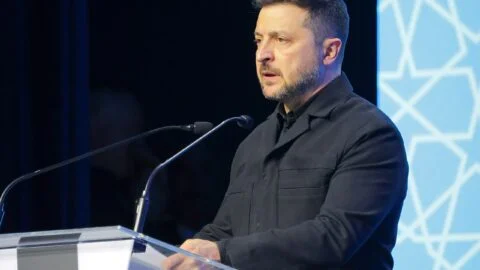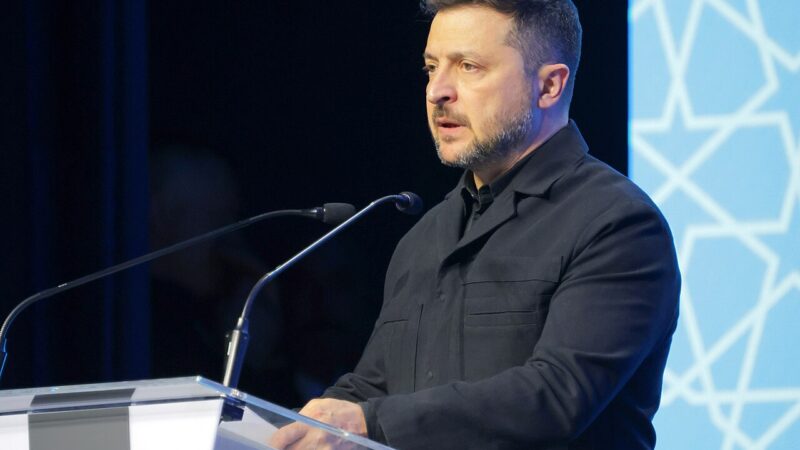
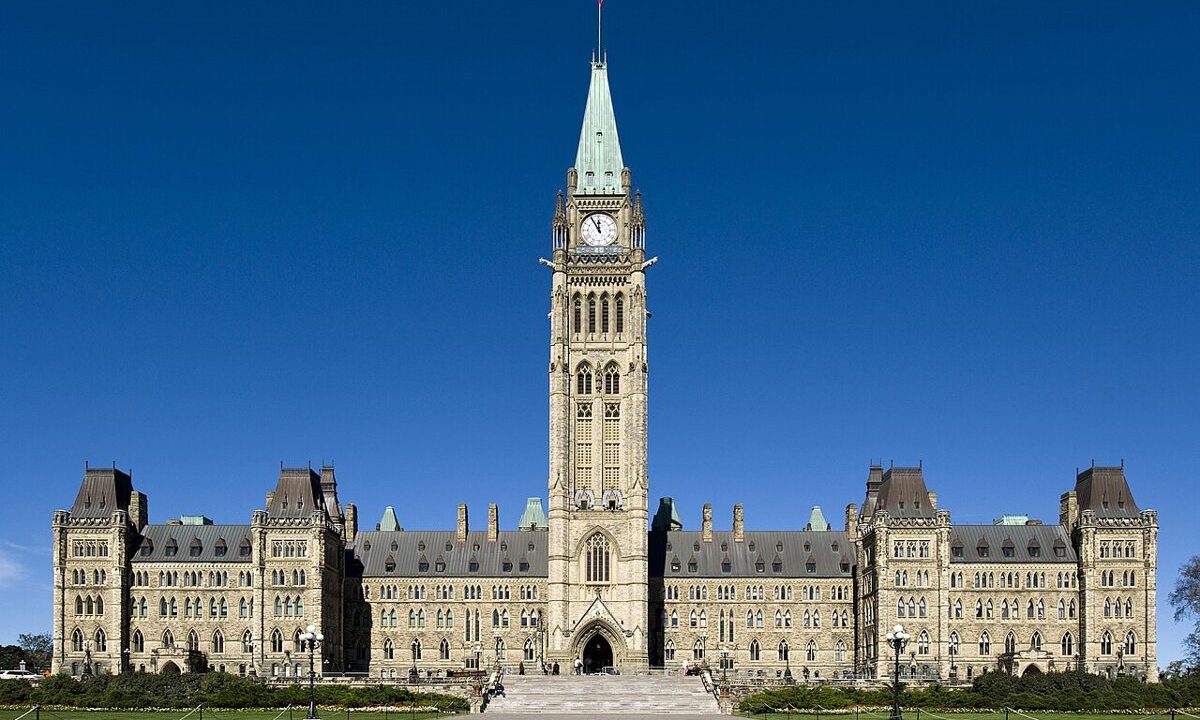
Canada has become the first non-European country to join the EU’s SAFE initiative, unlocking hundreds of millions of dollars in opportunities and market access for Canadian defence industries, businesses and workers. That milestone will be in the background when Prime Minister Mark Carney hosts the Canada-European Union Summit in Montreal from October 29 to 30, with European Council President Antonio Costa and European Commission President Ursula von der Leyen attending. SAFE, a European defence procurement and financing framework, matters because it turns a political partnership into a commercial one: Canadian firms can now compete for work that was previously closed to them, and European buyers can source from a trusted non-European partner.
Why SAFE matters beyond defence
Defence procurement is rarely only about weapons. It is about supply chains, research partnerships, manufacturing jobs and technology transfer, and a Canadian firm that wins SAFE related work gains not only a contract but a foothold in European supply chains that can lead to civilian work as well. The summit builds on the New EU-Canada Strategic Partnership of the Future and the Security and Defence Partnership launched last year, and the government’s broader case is that the EU brings market power, research depth and manufacturing strength, while Canada brings energy, critical minerals, space, artificial intelligence and quantum capabilities, and a strong banking system. SAFE is the most concrete proof so far that the partnership produces outcomes, not only communiques, and Canadian businesses watching the summit will judge it by whether more such doors open.
What Montreal must deliver next
At the summit, leaders are to work on delivering more choice and lower costs for consumers, new export markets for businesses, and greater opportunities for young people to live, work and study in Canada or the EU. Those goals are broad, and the test will be whether Montreal produces signed agreements, timelines and market openings that firms can act on, rather than restatements of intent. For a government facing questions about debt, with the Parliamentary Budget Officer projecting 333.3 billion dollars in deficits and 732.9 billion in borrowing over five years, a summit that demonstrably opens European markets would also be an economic argument at home. SAFE opened one door. Montreal’s job is to show that it was the first of many, not an exception that proves the partnership is narrower than its rhetoric suggests.