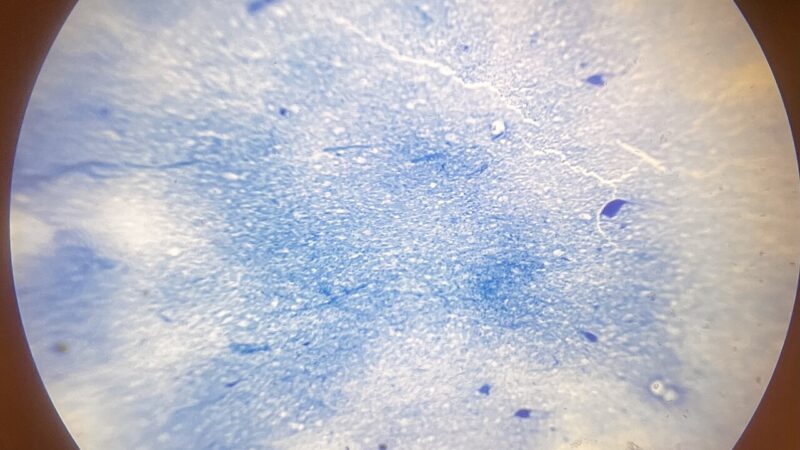
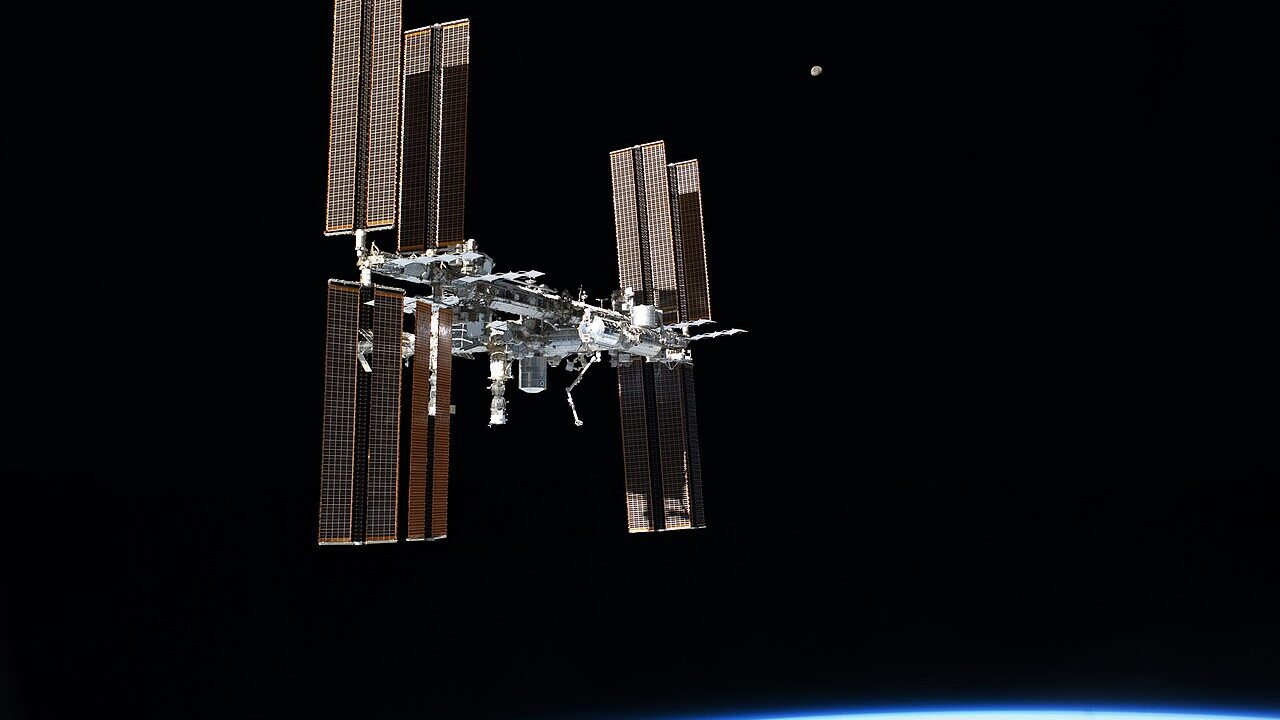
Saudi Arabia has launched the first biological samples from the Middle East into space as part of a research programme investigating neurodegenerative diseases. The BioGravity-1 mission, led by the Saudi Space Agency and King Abdullah University of Science and Technology (KAUST), travelled aboard SpaceX’s CRS-35 resupply flight to the International Space Station with support from NASA. The experiments, SSA-1 and SSA-2, will study brain cells and organoids in microgravity ahead of planned investigations into neurodegenerative diseases. The brain-cell research builds on a growing toolkit for probing neural circuits.
The mission marks the first phase of a three-part programme. It sends reference human samples from healthy donors to establish a scientific baseline; subsequent phases will examine disease models derived from patients with Alzheimer’s and MS, followed by studies exploring therapeutic responses and potential drug targets. Microgravity can alter cellular behaviour in ways that may help researchers model disease processes — and previous studies have shown brain organoids mature more rapidly in space, accelerating the pace of discovery.
An international collaboration
The project brings together KAUST, the Saudi Space Agency’s BioGravity Program, NASA’s InSPA programme, Axiom Space and the US-based National Stem Cell Foundation. KAUST bioscience professor Imed Gallouzi, the project’s lead scientist, said the mission enables researchers to test disease models in an environment that cannot be replicated on Earth. Axiom’s Pinar Mesci said the mission will test the “Brain Organoid Village” concept in microgravity for the first time — combining multiple cell lines within a single organoid to enable population-level studies, “what could be described as clinical trials in a dish.”
Why space helps
“When people hear that cells are going to space, they naturally ask what it has to do with health here on Earth,” said Rayyanah Barnawi — the first Saudi woman astronaut to travel to space, in 2023 — who supervises microgravity research at the Saudi Space Agency. “The microgravity environment triggers conditions that mimic health challenges on Earth, in an accelerated manner that potentially provides a fast lane for drug discovery.” The current experiments establish foundations rather than test treatments directly, but the team hopes the work will eventually support faster drug discovery for conditions affecting tens of millions worldwide.