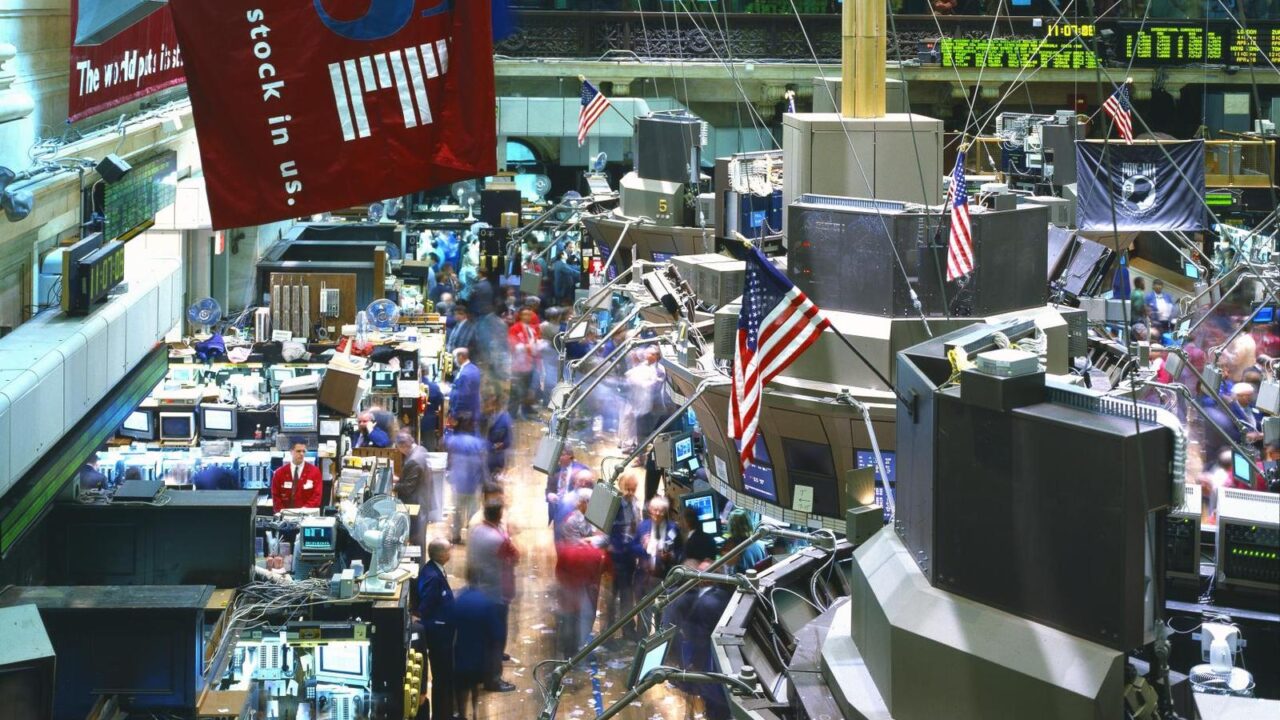
Thursday’s market selloff, the Nasdaq’s 2.6 percent plunge, its worst since June, felt like a verdict on the market’s concentration. But look closer and a more resilient picture emerges: beneath the mega-cap turmoil, many parts of the market held up far better, suggesting a rotation rather than a rout.
The distinction matters. A market falling because everything is deteriorating is a different beast from a market falling because its most crowded trade is unwinding. Thursday looked more like the latter. The selling was concentrated in the technology giants that had driven the year’s gains, while defensive sectors, value stocks and smaller companies showed relative strength.
The equal-weight story
The equal-weighted S&P 500, which gives every stock the same influence, declined far less than the headline index, a classic sign of healthy rotation. Money leaving the mega-caps appears to be finding homes elsewhere rather than leaving the market entirely. That is what broadening looks like, and broadening is ultimately healthier than concentration.
The 10-year yield’s rise to 4.96 percent remains the wild card. Higher yields pressure all equities, but they pressure the most richly valued the most. A market led by reasonably valued companies can live with 5 percent yields; a market led by priced-for-perfection mega-caps cannot.
Resilience, not complacency
None of this is a buy signal on its own. Geopolitical risks are real, oil above 114 dollars is a genuine headwind, and institutional selling may have further to run. But the market’s internals suggest an orderly repricing rather than a panic. Our earlier market coverage tracked the buildup, with more from the business desk on the week’s corporate news. Market data has the full breakdown.
History offers a useful parallel. Previous episodes of mega-cap unwinding, from the Nifty Fifty to the dot-com peak, were followed not by collapse but by broadening. The market’s best years have often begun when leadership changed hands. Whether this episode follows the pattern depends on earnings holding up.