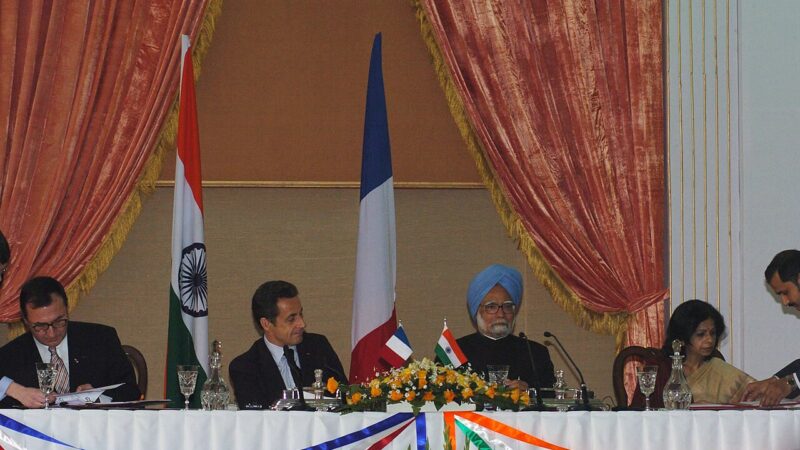
NASA and the Department of Energy signed a memorandum of understanding on October 8 titled around accelerating American leadership in space nuclear power and propulsion, according to WebProNews reporting of the NASA announcement. Administrator Jared Isaacman and Energy Secretary Chris Wright executed the agreement at the Golden Age Summit in Washington, with White House science-policy leadership present, for effect from November 1.
The rationale is geographic. Solar power fades in permanently shadowed lunar craters and thins with distance toward Mars, while fission offers dense, continuous electricity for surface habitats, industry and electric propulsion. The reporting placed two efforts inside the framework: a fission-powered interplanetary spacecraft targeted for late 2028 using closed-cycle conversion to drive electric thrusters, and a lunar surface reactor lineage aimed at readiness by 2030 under a December 2025 executive direction.
History counsels calibration. The United States has flown one fission reactor, in 1965; radioisotope generators, by contrast, have powered deep-space probes for six decades. The new pact formalises cooperation across research, fuel, testing, launch preparation and operations — the unglamorous chain where nuclear space systems actually succeed or stall.
Timelines in such agreements are aspirations with budgets still to fight for, and technical reporting rightly separates signed cooperation from flown hardware. Skyfall-class helicopter scouts at Mars and twenty-kilowatt surface-class power remain programme descriptions until metal is tested.
What is verified is institutional: two agencies, one framework, November effect. Whether the nuclear era Isaacman invoked arrives on schedule will be decided by reactors on test stands, not podiums in Washington.
Sceptics will count reactors rather than memoranda, and they should. The frameworks first credibility test is hardware cadence: test articles, fuel qualification and launch-safety review moving on dates the agencies publish in advance. Supporters answer that no such hardware moves without exactly this institutional plumbing laid first. Both positions can be honoured by reporting milestones as they are met or missed, against the November start the signing announced. Space nuclear power has promised eras before; this one now owns a timetable by which to be judged.