
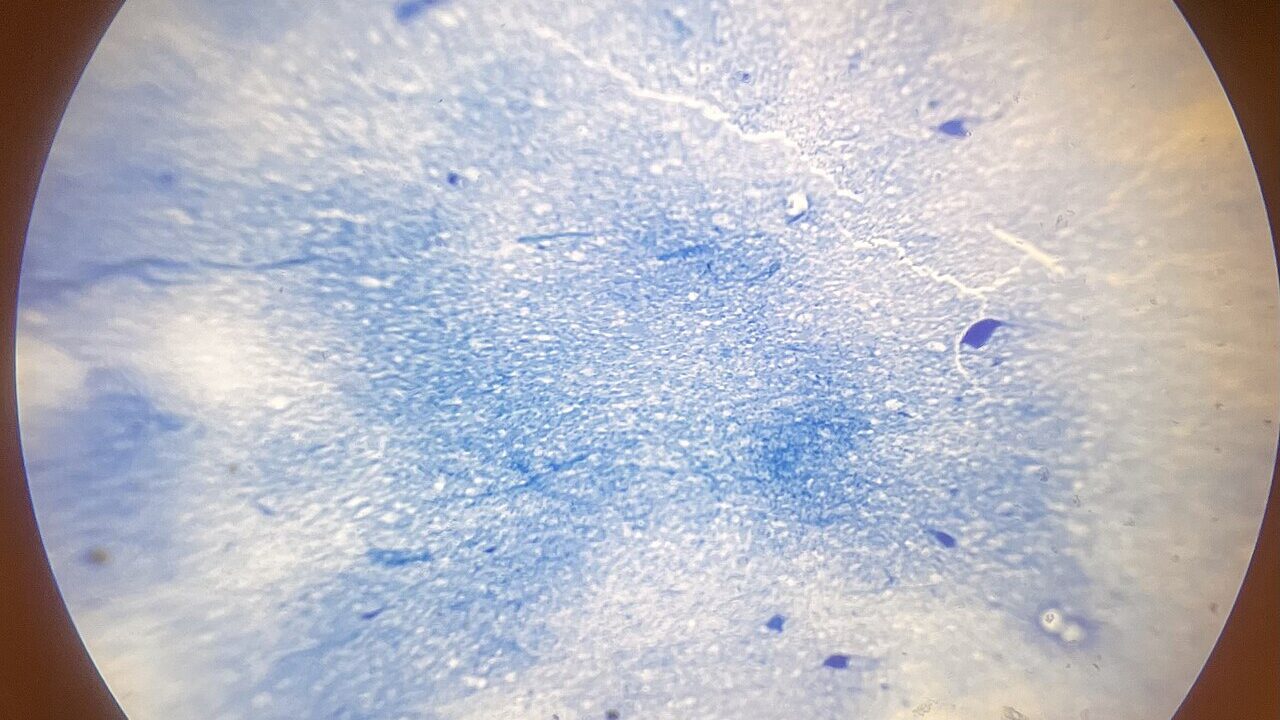
A protein called Piezo1 helps the nervous system set the length of myelin segments — the protective coatings that determine how fast nerve signals travel — according to a PLOS Biology study reported by MedicalXpress. Researchers at Upstate Medical University found that oligodendrocytes, the cells that build myelin in the central nervous system, use Piezo1 to sense the diameter of the fibre they are wrapping and scale each segments length accordingly.
The sensing solves a matching problem. Thick and thin fibres need differently proportioned insulation for efficient signalling; a coating cell that cannot measure its fibre would build by guesswork. Piezo1 converts mechanical information — fibre size — into a construction decision, with an especially important role early, while sheaths are actively extending.
Electron-microscopy core work supported the measurements, and recent doctoral graduate Amanda Young led the study under senior author Bechler, on the account reviewed. Publication in a peer-reviewed journal with full methods lets other laboratories test the mechanism across fibre types, developmental stages and disease models where myelin fails.
Clinical promise is foundational, not immediate. Disorders of myelin and nerve function lack good repair strategies partly because construction rules are incompletely known; a sizing rule, once confirmed, constrains where interventions might plausibly act. No therapy follows directly from a sensor protein, and careful coverage should not imply one.
The verified advance is mechanistic elegance: cells measure, then build to measure. In a nervous system defined by timing measured in milliseconds, knowing how insulation gets its dimensions is knowledge worth having precisely.
Developmental timing invites the next experiments. If Piezo1 sizing operates chiefly while sheaths extend, adult repair after injury may require reactivating a juvenile programme rather than merely supplying coating cells — a distinction that redirects therapeutic design. Disease models of demyelination can now test whether segment-length errors precede conduction failure, moving a descriptive hallmark toward causal position. None of that elevates one protein into a treatment. It elevates a measurement rule into a research programme, which is how durable progress usually announces itself.