The Montreal summit will be remembered for its argument over associate membership and its deals on digital trade and minerals, but its joint statement contains quieter pledges that may outlast both. The pact pledges intensified joint action on climate change and biodiversity loss, and calls for reform of the World Trade Organization rather than its replacement, according to reporting on the seven page joint statement. Those sentences lack the drama of a new membership category, but they commit two major economies to positions on the institutions that govern trade and the planet, and those positions will be tested in negotiations far from Montreal.
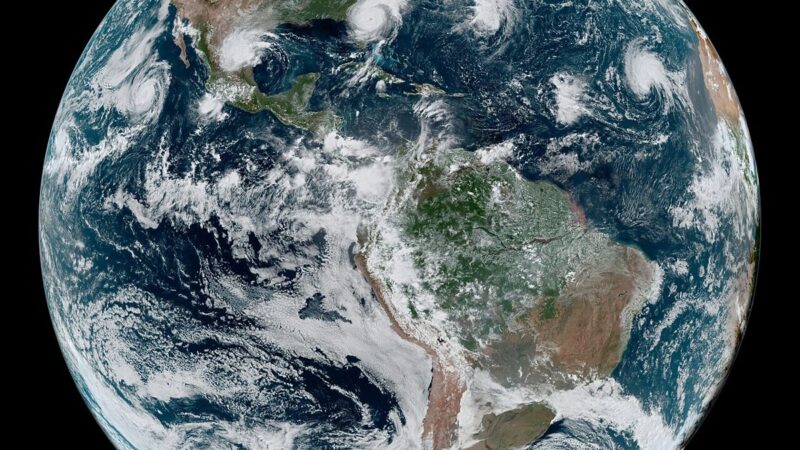
The climate and biodiversity pledge sits inside a package that also covers critical minerals, energy, clean and digital technologies, and maritime industries, which means it is not an isolated environmental paragraph but part of an industrial strategy. Canada brings energy, critical minerals, space and quantum capabilities; the EU brings market power, research depth and manufacturing strength. A joint pledge on climate and biodiversity, made in that context, implies cooperation on standards, on clean technology deployment and on the environmental conditions attached to minerals and energy projects. The test will be whether specific projects, from a financed minerals mine to a liquefied natural gas feasibility study, carry environmental conditions that match the pledge, or whether the pledge remains language while projects proceed on commercial terms alone.
WTO reform, not replacement
The WTO language is similarly significant for what it rejects. Calling for reform rather than replacement positions Canada and the EU against a view, heard in some capitals, that the multilateral trading system is broken beyond repair and should be supplanted by bilateral deals. Reform implies preserving a rules based order with an appellate system, dispute settlement and agreed tariffs, while fixing its acknowledged weaknesses, from the paralysed appellate body to the treatment of subsidies and state enterprises. For two economies whose trade reached roughly 130 billion euros in 2025, with a comprehensive agreement eliminating tariffs on 98 percent of goods, the WTO is not an abstraction; it is the backstop that makes bilateral agreements enforceable.
The joint statement also records commitments on Ukraine, international justice, UN reform and Arctic cooperation, which together describe a foreign policy that values institutions, from the International Criminal Court, whose sanctions by the United States the statement notes with regret, to the United Nations, whose reform is endorsed. That institutionalism is the thread connecting the WTO sentence to the climate pledge: both assume that global problems need global rules, and that Canada and the EU gain more from strengthening those rules than from abandoning them. The European Council account of the summit lists six cooperation areas, and the institutional commitments run through all six, from trade to security to people to people ties.
Pledges that need a second summit
Quieter pledges face a specific risk: they are easy to announce and hard to verify. A climate pledge without targets, timelines or reporting is a sentiment, not a policy, and a WTO reform call without a negotiating proposal is a position, not a programme. The Montreal statement’s value on these items will therefore depend on what happens before the 2027 summit, when the association question is meant to be defined: whether Canada and the EU table joint WTO proposals, whether climate cooperation produces specific standards or projects, and whether biodiversity action moves beyond language into protected areas or supply chain rules.
For now, the quieter pledges deserve to be recorded alongside the louder ones, because they reveal the summit’s ambition more honestly than the membership debate. A partnership that only signs trade deals is a commercial arrangement. A partnership that also commits to climate action, biodiversity protection and multilateral reform is claiming a shared view of how the world should be governed. Montreal made that claim. The years to 2027 will show whether it was a claim or a commitment.